Where is Boa Vista and what is it like?
Boa Vista is the most easterly of the Cape Verde islands, lying just south of Sal and about 570 km off the coast of Senegal. At around 630 km² it is the third-largest island of the archipelago, yet the 2021 census counted only about 12,600 residents, most of them in and around Sal Rei, the capital. The highest point, Monte Estância, reaches just 387 m: this is a flat to gently hilly island of stony plains, palm oases, salt flats and dunes blown in by the trade winds.
Tourism arrived late, with the international airport opening in 2007. More than a third of the island is protected, the highest share of any inhabited island in Cape Verde, and the empty interior is the main reason to come: it feels closer to the Sahara than to the Canaries.
Sal Rei
Sal Rei is a small, low-rise town of pastel houses around a central square, with a fishing beach where boats unload in the morning, cafés, a few supermarkets, banks with ATMs and a harbour for the ferries. Just offshore, the islet of Ilhéu de Sal Rei holds the ruins of the Forte Duque de Bragança, built in the early 19th century against pirate raids; little more than walls and cannons survive, and getting there needs a boat.
South of the town, the long curve of Praia de Estoril is the base for windsurfing and kitesurfing schools, with the reliable wind of roughly December to May; see kitesurfing in Cape Verde. Sal Rei is also where whale-watching boats leave from.
Boa Vista beaches: Chaves, Santa Mónica and the rest
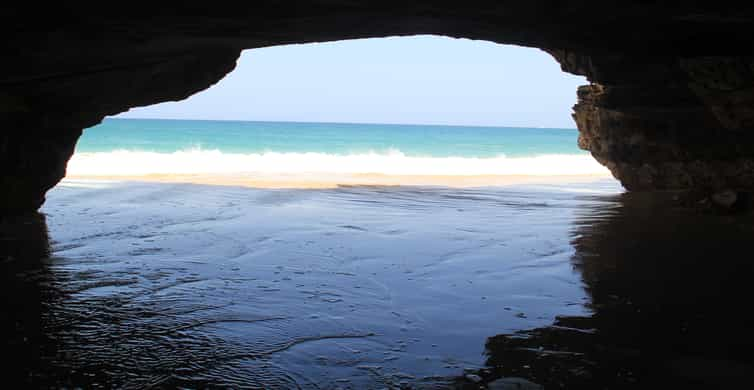
Praia de Chaves, on the west coast near the village of Rabil, is about 5 km of pale sand backed by dunes; its southern end lies within the Morro de Areia nature reserve and most of the resorts stand at its northern end. On calm days it is fine for a swim, but there are rarely lifeguards and the waves and currents can be strong when the wind is up.
Praia de Santa Mónica, on the south-west coast, is one of the longest beaches in Cape Verde, with more than 15 km of sand and almost nothing built on it. It is spectacular for walking, but the undertow is powerful, so treat it as a beach to look at rather than to swim from. Reaching it involves sandy tracks, so most people come on a jeep or quad tour.
Around Sal Rei the water is calmer. On any Boa Vista beach, follow the flags where they exist and do not swim alone. Our guide to Cape Verde's beaches compares them with Sal.
Things to do in Boa Vista, Cape Verde
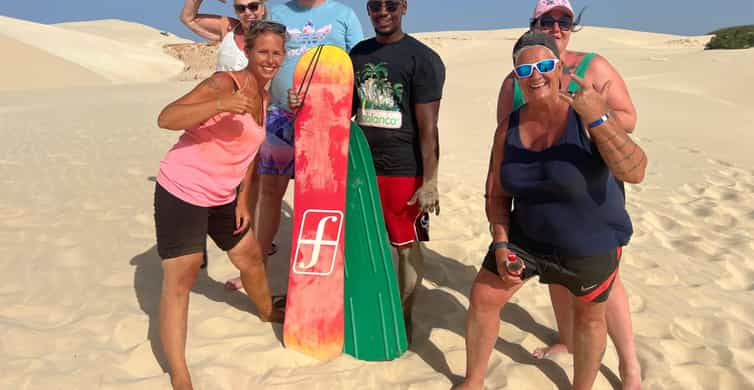
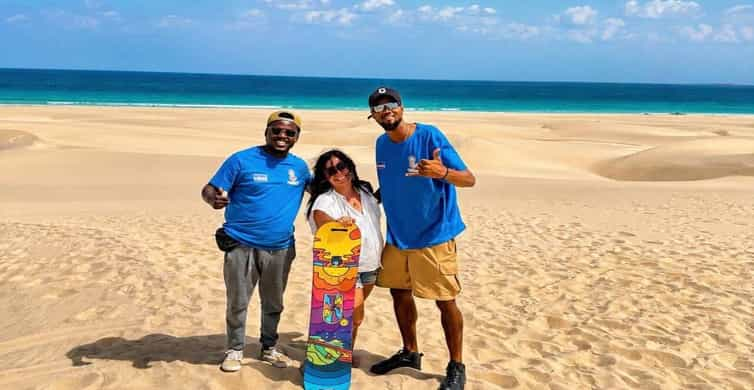
The Viana desert, a sea of white dunes inland from Rabil, is the classic sight, usually combined with the palm oases, salt flats and villages of the interior on a jeep or quad or buggy tour. The dunes are a protected area: stick to the tracks your guide uses, do not take sand away, and expect different operators to have different routes.
On the north coast, the rusting hull of the Cabo Santa Maria, a Spanish cargo ship that ran aground on 1 September 1968, sits a few metres offshore at Praia de Atalanta. Islanders salvaged much of her cargo, and the wreck has become a symbol of the island. Do not climb on it; the metal is decaying fast.
From about March to May, humpback whales gather off Boa Vista to breed, and boats leave from Sal Rei; read whale watching before you book. Boat trips, fishing and diving are also on offer; compare them in tours and excursions.
Turtles on Boa Vista
Boa Vista is one of the most important nesting sites for the loggerhead turtle in the Atlantic: the Turtle Foundation, which runs conservation camps here with its local partner, says about two-thirds of all nesting in Cape Verde happens on this island. Females come ashore at night from about June, with the most reliable months for watching from July to October, and hatchlings emerge later in the season.
Only join a licensed guided night walk run in cooperation with the conservation projects. No torches, phone screens or flash, keep your distance, never touch a turtle or a hatchling, and never drive on the beaches. The rules and the best beaches are in our turtle watching guide.
Where to stay: resorts or Sal Rei
Most package holidays to Boa Vista use the large all-inclusive resorts along Praia de Chaves and the neighbouring coast south-west of Sal Rei, a short drive from the airport, plus a few more isolated ones further south, such as the Riu Touareg on Lacacão beach. They are comfortable and built right on the sand, but they are far from any town, so you eat, drink and book excursions mostly through the hotel.
Sal Rei suits independent travellers who want local bars, fish restaurants and the kitesurf beach on the doorstep, at lower prices. See where to stay in Cape Verde for the resorts versus town trade-off across all islands.
Getting there and around, and how many days
Direct charter and package flights from the UK and much of Europe land at Aristides Pereira International Airport, about 5 km south-east of Sal Rei; the flight from the UK takes about six hours. CVsky flights and the CV Interilhas ferry link Boa Vista with Sal (about three hours by sea) and with Santiago, but schedules change and delays are common: see ferries and flights between the islands.
There are no proper buses. Taxis and shared minibuses (aluguers) run between the airport, Sal Rei and Rabil, and the resorts run their own transfers. Off the main roads you need a 4x4, which is why most visitors explore on tours.
A week is the usual stay and gives time for two or three excursions plus beach days. The honest downsides: the wind is constant in winter, the resorts are isolated, fresh water is scarce, so use it sparingly, and the UK Foreign Office reports petty theft on Boa Vista, so do not leave valuables on the sand. Check the Boa Vista weather for your month and our safety, visa and EASE fee guide before you fly.