When is the best time to visit Cape Verde?
For most beach holidays the best time to visit Cape Verde is October to November or May to June. In those months Sal and Boa Vista are warm (25-29 °C by day), the wind is lighter than in winter and prices fall outside school holidays. October also has the warmest sea of the year, about 28 °C, though it can still bring a few humid days and showers at the end of the rainy season.
December to April is the classic winter-sun season and the most popular with European visitors: dry and sunny, 24-26 °C, but windy, with a sea of only 22-24 °C. August and September are the hottest and most humid months, the time of nesting turtles and Cape Verdean festivals, with the year's only real rain. For the figures behind this, see Cape Verde weather and the month pages from January to December.
Cape Verde through the year
December to February: mild days around 24-26 °C on Sal, cool evenings, strong trade winds and the coolest sea apart from March. Saharan dust haze, the bruma seca, is most likely now and can delay inter-island flights. Christmas and New Year and the February half-term are peak weeks.
March to May: still dry and breezy, 24-25 °C, with the sea at its coolest in March and slowly warming. Whale season around Boa Vista, and good walking on the mountain islands. Easter is busy; the rest of the period is quieter.
June and July: warmer (26-27 °C), calmer wind and almost no rain. The first turtles come ashore in June and nesting builds through July, when the summer holidays begin.
August to October: hottest, at about 29 °C, humid, with the warmest sea and a short rainy season that is mild on Sal and Boa Vista but heavier on Santiago, Fogo and Santo Antão. Peak turtle season, and festival time in August; September and October are quiet and good value.
November: about 28 °C, a sea of 26 °C, the wind returning and few crowds until the Christmas season begins.
Cape Verde in winter: December to February
Winter is the season most visitors choose, because Cape Verde is one of the warmest places within about six hours of the UK and northern Europe. On Sal the average high is about 26 °C in December, 25 °C in January and 24 °C in February, with nights of 20-22 °C, a sea of 23-25 °C and almost no rain. The catch is the wind: the trade winds blow hardest now, evenings feel fresh and the sea is cooler than in autumn. Each month has its own page: December, January and February. For Santa Maria in detail, see the weather in Sal month by month.
The festive weeks are the busiest and most expensive of the year; our guide to Christmas and New Year in Cape Verde covers the celebrations and how to book them. If you are weighing Cape Verde against a shorter flight, read Cape Verde or the Canary Islands, and if your dates fall in February, plan around Carnival in Mindelo, which peaks on 9 February in 2027.
For a beach holiday
If you want to lie on the sand and swim in warm water, aim for June, July, October or November. The breeze in winter is pleasant in the heat of the day but can make an exposed beach feel chilly and sandy by late afternoon, and the sea of 22-23 °C in February and March is refreshing rather than warm. Families with young children will find the sheltered bay of Santa Maria on Sal calmer than the open beaches of Boa Vista, whatever the month; see the beaches guide.
For kitesurfing, windsurfing and surfing
Wind riders come in winter and spring. The trade winds are strongest from about December to May, when Kite Beach and Ponta Preta on Sal and the beaches around Sal Rei on Boa Vista are at their best, and the Kite-Surf World Cup has been held at Ponta Preta in February or March in recent years. From June to October the wind becomes lighter and less reliable. Surfers look for the winter Atlantic swells; read kitesurfing in Cape Verde before you book.
For hiking on Santo Antão, Fogo and Santiago
The dry season from about November to June is the safest time for walking, with firm paths and comfortable temperatures on the trails of Santo Antão, the crater of Fogo and the Serra Malagueta on Santiago. Straight after the rains, from late October to December, the valleys are at their greenest. From mid-August to mid-October heavy downpours can cause floods and landslides that close paths and roads, and in winter the dust haze can hide the views. See hiking in Cape Verde.
For turtles and whales
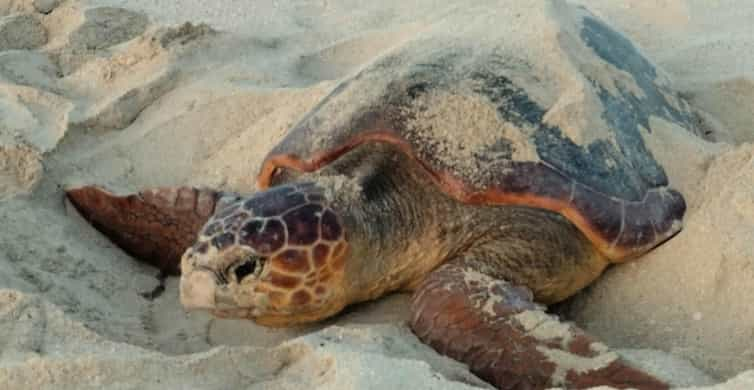
Loggerhead turtles nest on the beaches of Sal, Boa Vista and Maio from about mid-June into October, with July to September the main months. After about two months in the sand, the hatchlings emerge from about late August to early December, with September usually the busiest month. Night walks must be with a licensed guide, without torches or flash. Our turtle watching guide explains how they work.
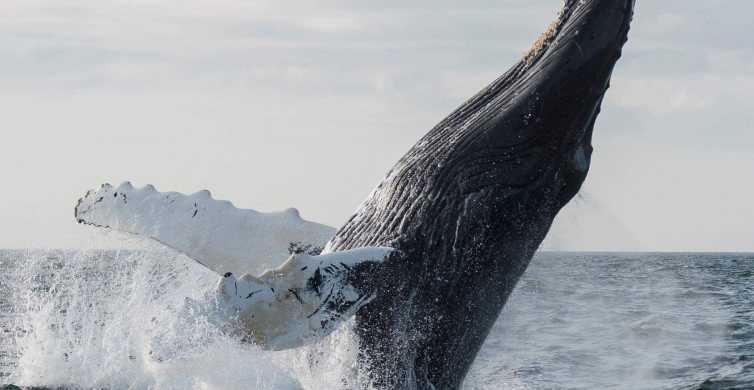
Humpback whales come to breed around Boa Vista and Sal from about March to May, with March and April usually the most reliable months. Sightings are likely but never guaranteed; see whale watching.
Festivals: Carnival, Baía das Gatas and more
Carnival is the biggest event of the year, and Mindelo on São Vicente stages the best-known parade. The official groups parade on Carnival Tuesday, which follows the date of Easter: it falls on 9 February in 2027. Rooms and inter-island seats for Mindelo sell out early that week. Our Cape Verde Carnival guide has the details.
In August the Baía das Gatas music festival takes place on a beach near Mindelo, traditionally over a full-moon weekend, and many towns celebrate their patron saint's day with music and processions. August is also when many Cape Verdeans living abroad come home, so flights to Praia and Mindelo fill up.
Prices, crowds and school holidays
Package and flight prices follow European school calendars more than the weather. The most expensive weeks are Christmas and New Year, the February half-term, Easter and the summer holidays from late July to August; the October half-term is busy too. The best value is usually found in May and June and in September, early October and November, outside those weeks.
Even in high season the islands rarely feel crowded beyond Santa Maria's beachfront and the big resorts. The exceptions are Carnival in Mindelo and the August festivals, when you should book accommodation early; our where to stay guide helps you choose a base. For money matters, see currency and prices.